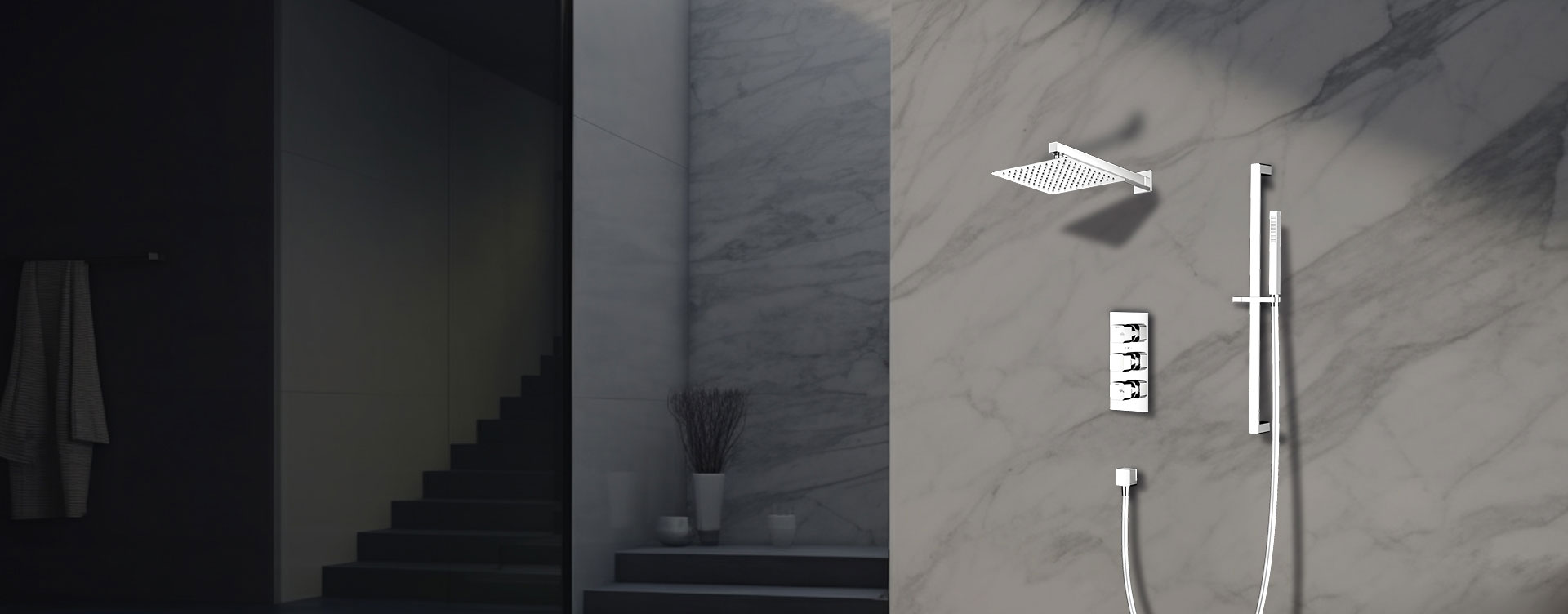
Installing a shower involves assembling several components: the shower pan, wall system, plumbing connections, fixtures, and enclosure. Whether you are upgrading an older bathroom or creating a new shower area, proper installation ensures safety, durability, and long-term comfort. Companies like Moon Shower, which produces reliable and well-engineered shower fixtures, help ensure stable water control, smooth performance, and user comfort once the installation is complete.
Begin by confirming the dimensions of the shower area. Ensure the space fits the shower base or pan, wall panels or tiles, and plumbing layout.
Height of walls
Distance between studs
Drain location
Ventilation access
Accurate measurements prevent fitting issues.
Before installing anything, position hot and cold supply lines, the mixing valve, and the shower arm outlet.
Proper spacing for the valve body
Level mounting of the shower arm
Exact alignment with wall finishes
Secure fastening to studs
This ensures proper water flow and fixture stability.
A full shower installation typically includes:
Shower pan or base
Wall system (tile, fiberglass, acrylic)
Mixing valve
shower head or multifunction fixture
Drain assembly
Optional handheld system or diverter
Quality fixtures like those engineered by Moon Shower improve long-term reliability.
Place the shower pan into position.
Dry-fit to confirm drain alignment
Apply mortar bed if required
Press pan into place
Check with a level
Secure flange to wall studs
A stable, level shower base is essential for drainage and waterproofing.
Attach the drain mechanism to the shower pan.
Tighten seals securely
Apply waterproof gasket
Ensure no gaps around the drain
Test the connection to ensure a proper seal.
If using tile, apply a waterproofing membrane.
Liquid waterproofing
Sheet membrane
Cement backer board
This step prevents moisture damage and mold growth.
Mount the valve between wall studs at the correct depth relative to wall finish.
Straight alignment
Correct hot/cold orientation
Secure soldered or threaded fittings
Moon Shower Valves are designed for consistent temperature control and smooth operation once installed.
Depending on your chosen material:
Install cement board
Tape seams
Apply waterproofing
Tile and grout
Attach panels using adhesives and screws
Seal edges with waterproof caulk
Ensure all walls meet the shower pan’s flange correctly.
Wrap plumber’s tape on the shower arm threads.
Screw arm into plumbing outlet
Attach shower head
Tighten gently
Check alignment
Quality shower heads from Moon Shower are engineered for even spray patterns and long-lasting performance.
If your shower includes extra features:
Handheld shower system
Slide bar
Diverter
Body jets
Follow manufacturer installation guidelines and secure fixtures to studs where possible.
Use bathroom-grade caulk at:
Wall and pan joints
Corners
Around fixtures (where appropriate)
Proper sealing prevents moisture penetration.
Turn on water at the valve.
All outlets function
No leaks in plumbing connections
Adequate pressure and temperature control
Proper drainage flow
If everything performs correctly, the shower is ready for use.
This is essential to prevent long-term structural damage.
Ensures handles and trims sit correctly after wall installation.
Durable components, such as those from Moon Shower, reduce maintenance and future repair needs.
Crucial for glass door installation and overall appearance.
Prevent leaks behind walls.
Moon Shower provides high-quality valves, shower heads, and fixtures engineered for durability and performance.
Stable water pressure control
Corrosion-resistant metals suitable for wet environments
Smooth cartridge operation for temperature accuracy
Reliable diverters for multi-function shower systems
User-friendly engineering for easier installation and future maintenance
Incorporating robust fixtures ensures the shower performs well for years.
Prevents mineral buildup and keeps water flow steady.
Replace cracked or worn sections to maintain waterproofing.
Monitor walls and floors near the shower for moisture signs.
High pressure can strain valves and fixtures.
Ensures smooth control of temperature and flow.
Previous: How To Install A Shower Head