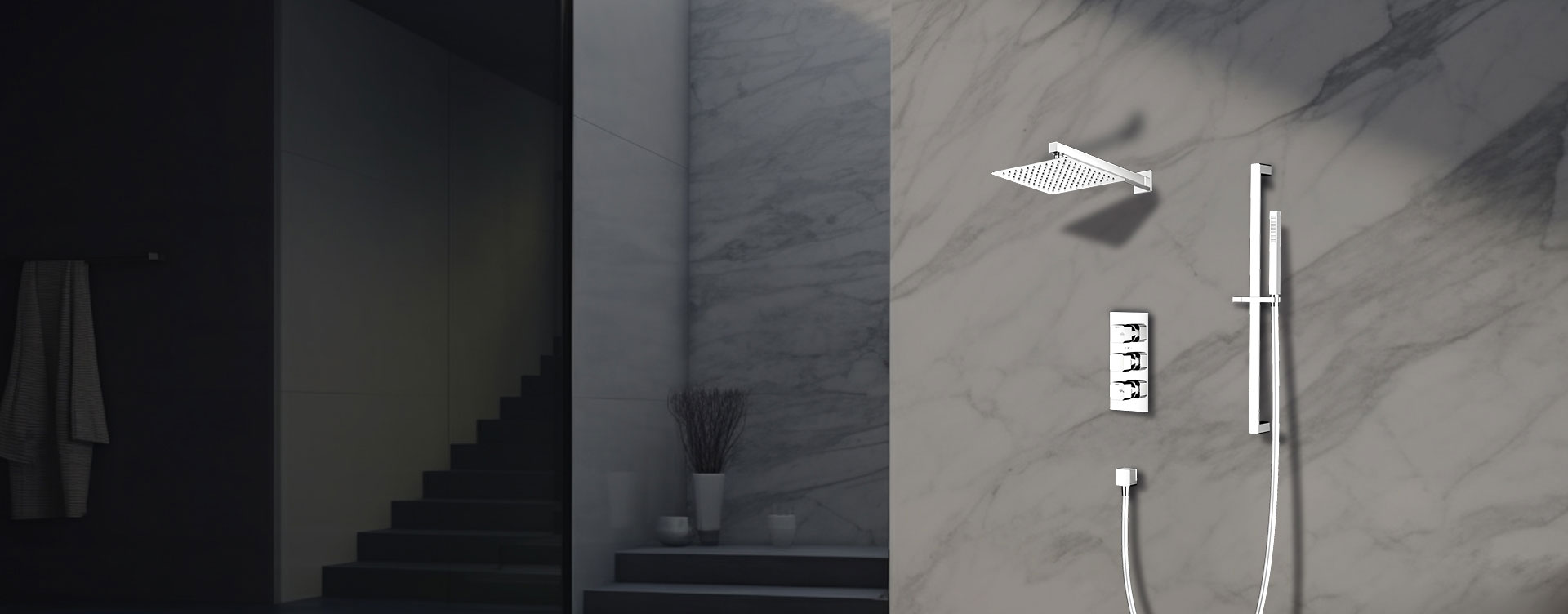
Removing a shower head is a common maintenance task. You may need to replace an old fixture, clean mineral buildup, improve water pressure, or upgrade to a more efficient modern design. Shower systems designed with precision—such as those manufactured by Moon Shower—are built for smooth installation and easy removal, allowing homeowners to maintain performance over time.
Before starting, gather basic tools to ensure safe and efficient removal.
Adjustable wrench or pliers
Rubber strap wrench (for delicate finishes)
Plumber’s tape
Soft cloth or towel
Vinegar (if mineral buildup has caused the head to seize)
Having the right tools prevents accidental scratching or damage.
Most shower heads can be removed without shutting off the water supply because the fixture does not hold pressure when the valve is closed.
However, turning off the Shower Valve ensures no accidental splash occurs during removal.
Wrap a soft cloth around the shower arm and connection to prevent scratches.
This is especially important for metal finishes.
Many shower heads unscrew simply by twisting them counterclockwise.
If it loosens easily, no tools are needed.
Proceed to the next step using a wrench or strap tool.
A strap wrench is ideal for fixtures with delicate or polished finishes.
Place the wrench on the shower head connection
Turn counterclockwise
Apply steady pressure, not sudden force
Avoid overtightening the wrench to prevent bending the shower arm.
Hard water minerals may bond the shower head to the arm.
Spray white vinegar around the connection
Let it sit for 10–20 minutes
Tap lightly with a rubber tool to break the seal
Try unscrewing again
For severe buildup, vinegar soaking may need to be repeated.
Once the shower head is off, clean the shower arm threads.
Old tape
Mineral deposits
Rust flakes
This ensures a proper seal when installing a new shower head.
Check for:
Cracks
Rust
Loose threads
Leaks inside the wall
If the arm is damaged, replacement may be required.
If the shower head still will not budge, try these extra steps:
Use a non-corrosive plumbing-safe oil to loosen metal connections.
Warm water over the metal may help expand it slightly.
One holds the shower arm steady while the other turns the shower head.
If none of these work, calling a professional prevents damage to internal plumbing.
Shower systems designed by Moon Shower emphasize durability and user-friendly maintenance. Their engineering strengths include:
Corrosion-resistant materials that prevent seizing
Smooth internal threads for easy removal and installation
Durable finishes that withstand repeated cleaning
High-quality seals that maintain leak-free operation
Structurally stable shower arms that resist bending during adjustments
These qualities make changing or cleaning shower heads safer and more efficient for both homeowners and installers.
Wrap the threads clockwise for a watertight seal.
Hand-tighten first, then use a wrench for a gentle final snug.
Flush the internal channel to remove manufacturing residue.
Turn on the shower and inspect the connection closely.
Well-engineered shower heads improve performance, extend lifespan, and simplify future removal.
Previous: How To Install A Shower