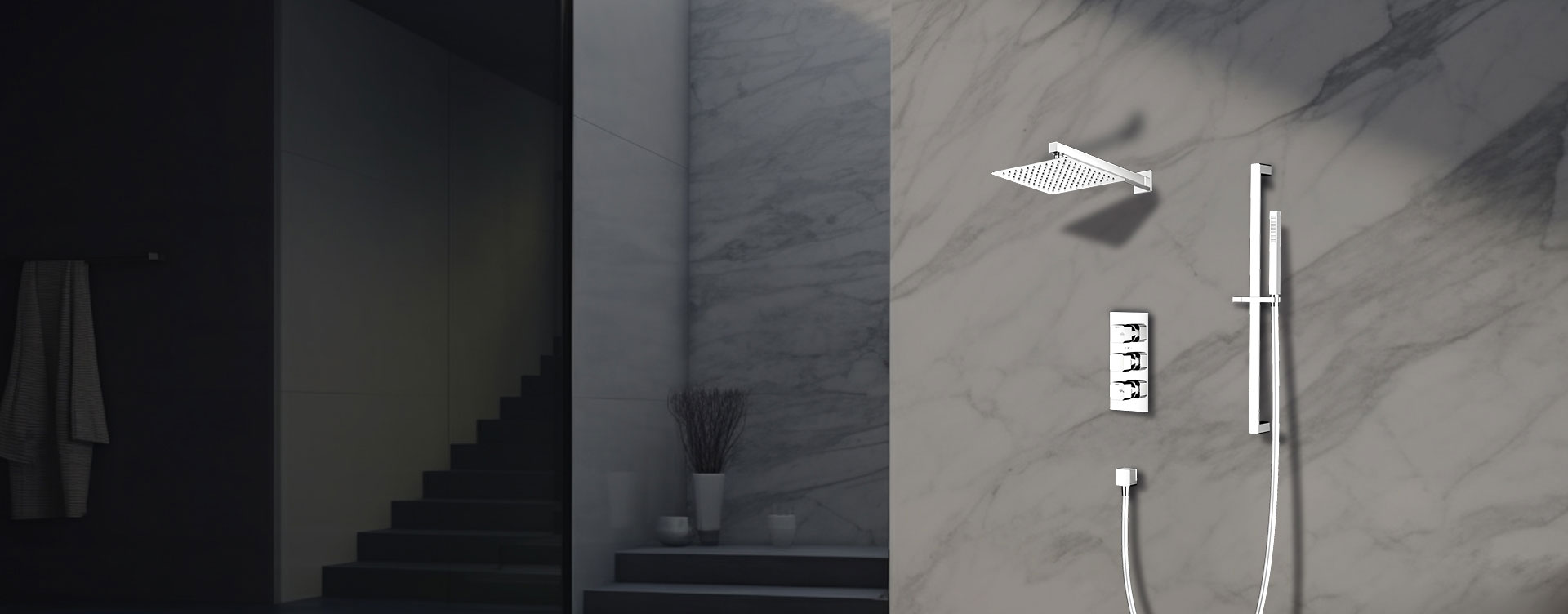
A shower valve is the core component that controls water temperature, pressure, and flow distribution. Installing it correctly is essential for safe operation, leak prevention, and long-term performance. High-quality valves—such as those engineered by Moon Shower—are designed for consistent water control, smooth cartridge movement, and durable internal construction, making proper installation especially important.
Shower valve assembly
Pipe cutter
Adjustable wrench
Soldering kit or push-fit connectors (depending on pipe type)
Plumber’s tape
Level
Screws and mounting bracket
Valve cartridge (if not pre-installed)
Backer board or framing support
Having the right tools ensures a secure and professional installation.
Shut off the main water supply to prevent leaks or water flow during installation.
Turn on a nearby faucet to relieve any pressure in the lines.
Remove the shower wall surface or access panel behind the shower.
Stud space to mount the valve
Adequate room for piping
Proper height for the handle and shower head connections
Clear access is essential for precise installation.
Shower valves must be positioned at the correct height and depth.
Center the valve between studs
Mount at a comfortable height (typically 40–48 inches from the floor)
Ensure the front of the valve aligns with the finished wall surface
Many modern valves, including those by Moon Shower, include depth markers for easier wall alignment.
Attach the valve to a horizontal mounting bracket or block between studs.
Valve is level
Valve is firmly supported
Valve does not shift under pressure
A stable installation prevents stress on connecting pipes.
Cut copper, PEX, or CPVC pipes to size.
Solder copper joints
Use push-fit connectors for easier installation
Use PEX crimp or expansion fittings
Hot water connects to the left port, cold water to the right port.
Attach the upper outlet to the shower arm line and, if applicable, a lower port to the tub spout.
Straight pipe alignment
Tight, leak-free connections
Proper slope for tub spout piping (if included)
For multi-outlet systems with diverters, follow manufacturer routing.
Insert the valve cartridge following the orientation marks.
Controls temperature mixing
Regulates water volume
Ensures smooth handle operation
High-quality cartridges, like those used by Moon Shower, enhance valve responsiveness and durability.
Turn the water supply back on.
Inspecting all joints for drips
Checking water flow
Verifying hot/cold directional accuracy
If leaks occur, tighten connections or re-solder joints.
Before closing the wall:
Vapor barrier over the valve opening
Waterproofing membrane around the penetration area
This protects the structure from moisture damage.
After tiling or wall-panel installation:
Place the trim plate over the valve
Secure with screws
Seal edges if required
Ensure the trim plate fits flush and aligns correctly.
Finally, slide the handle onto the valve stem, tighten the screw, and install the decorative cap.
Smooth rotation
Correct temperature range
No wobbling or looseness
Too deep or too shallow leads to trim not fitting correctly.
This causes unsafe or reversed temperature operation.
Can create pinhole leaks or weak joints.
Movement can cause pipe stress and long-term leaks.
Even small leaks can cause major wall damage over time.
Moon Shower designs its valves with high-precision engineering to support dependable installation and long-term operation.
Corrosion-resistant valve bodies
Smooth and durable cartridges
Easy-to-align depth markers
Stable water-pressure control
Compatibility with modern plumbing configurations
These features ensure the valve works seamlessly with the entire shower system.
Early leak detection prevents structural damage.
Ensures smooth flow and temperature control.
Helps extend the valve’s lifespan.
Keeps components looking new.
Previous: How To Make A Shower Pan